Learn
the History
There is no way to measure the history of Indigenous slavery. It spanned the hemisphere, crossing empires and centuries, shaping economies and communities, severing kin and homelands, and leaving enduring legacies that remain critical to understanding the Americas and the world.
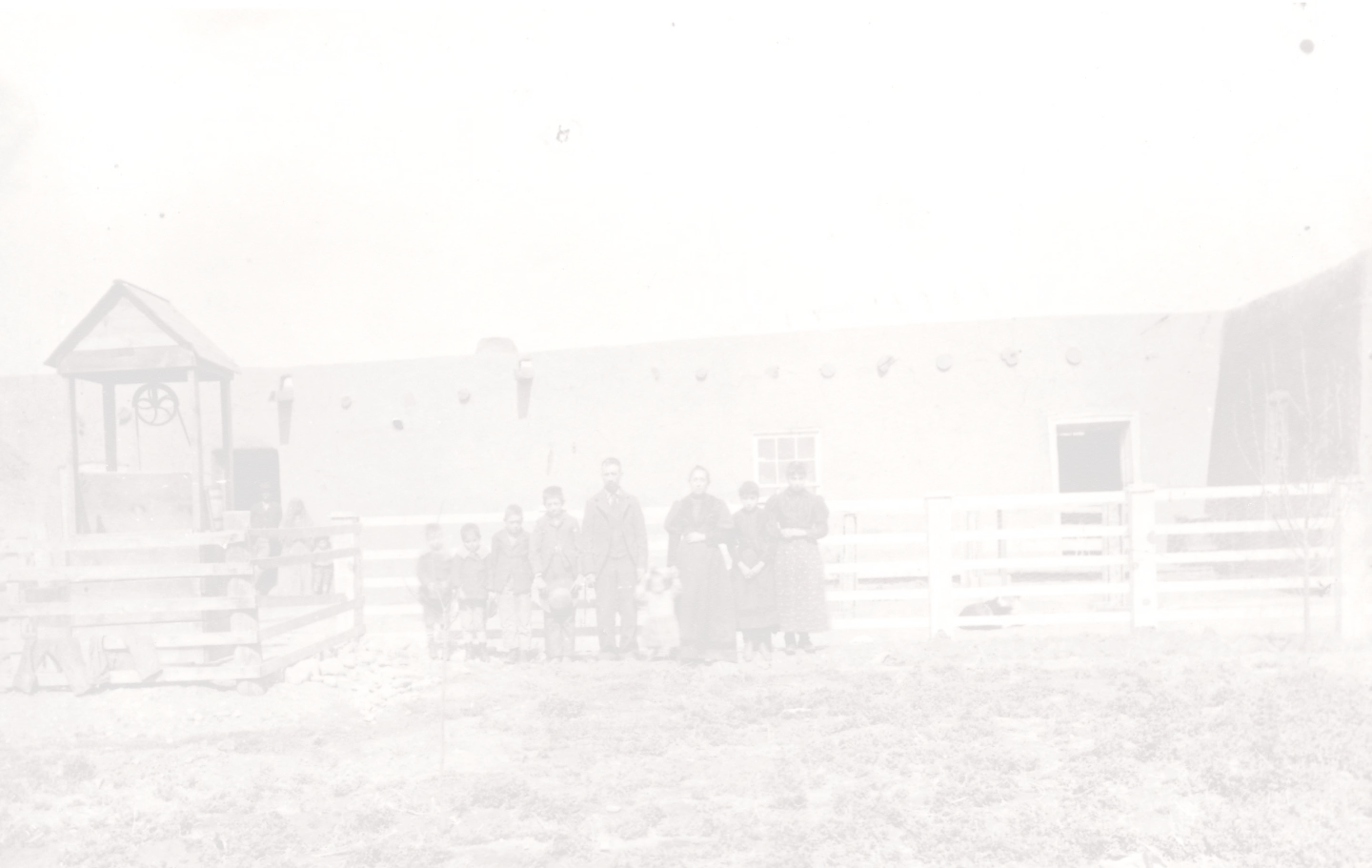
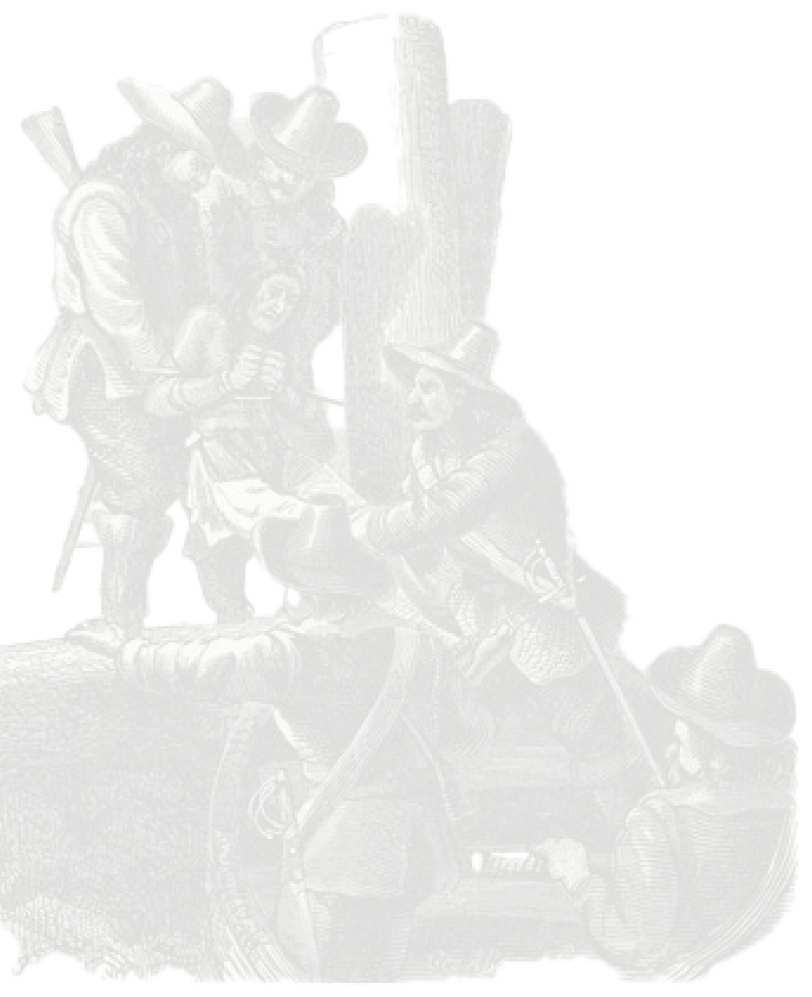
At the heart of this history are Indigenous peoples—the multitudes whose lives were marked by slavery. Some are remembered by name—Malintzin, Tisquantum, Juliana, Kalicho, Tituba—while most surface only in fragments: a captive raid, a bill of sale, a baptismal record where caste shifted with the stroke of a pen. Recorded by notaries and clerics, their presence often appears in the margins, obscured by the language of empire.
Yet behind those traces were lives lived fully. Taken from families and homelands, they carried losses that echoed through generations. Still, they left their mark in landscapes and communities, in the spaces where they lived, labored, and loved. These histories are filled with violence, but they also testify to resilience and a tenacity of spirit that endures.
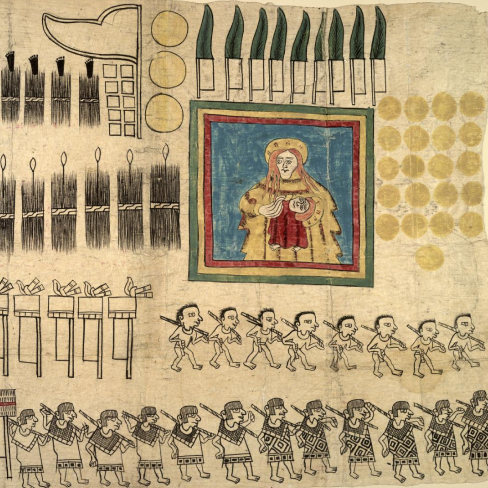
To understand the history of Indigenous slavery, we must first ask what slavery means. It was never a single institution, but a constellation of policies and practices that shifted across time and geographies—shaped by law, politics, and power. For Indigenous peoples, it was lived through capture and displacement, through forced labor and coerced kinship, through the loss of autonomy, homeland, and lineage. At Native Bound Unbound, we approach slavery as both process and experience—an evolving system that defies any single definition, yet left indelible marks on individuals, families, and communities. Our full essay, and the project as a whole, explores these complexities, tracing how captivity, coercion, and endurance intertwined across the hemisphere and through time.
The Language of Indigenous Slavery
Language has always carried the weight of empire. In the history of Indigenous slavery, words conceal and command, blur kinship and power, and tie captivity to places. This living glossary, constantly growing, invites you to explore how language shaped—and obscured—these histories.
While the practice predated the arrival of Europeans in the Western Hemisphere and continued across tribal communities for centuries, Indigenous slavery expanded in unimaginable ways following the arrival of Columbus in 1492. And while its forms shifted over time, practices of coercion and trafficking continue to this day.
This chronology offers the first comprehensive timeline of Indigenous slavery, charting policies, laws, and major events across empires from its origins to the present.
1492
1900s
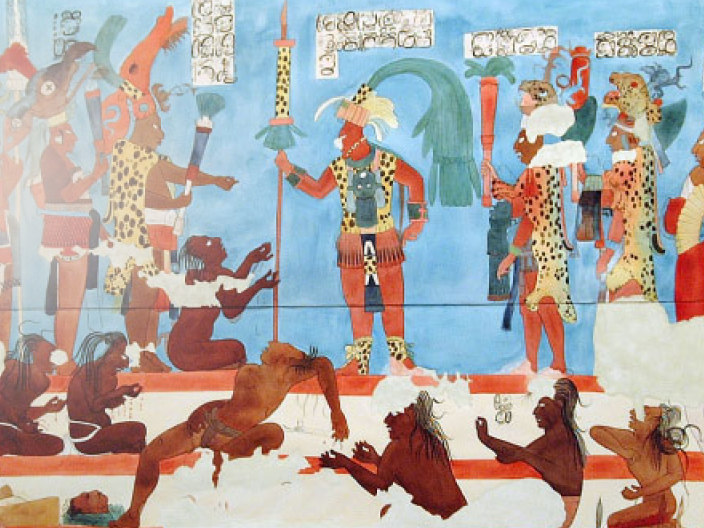
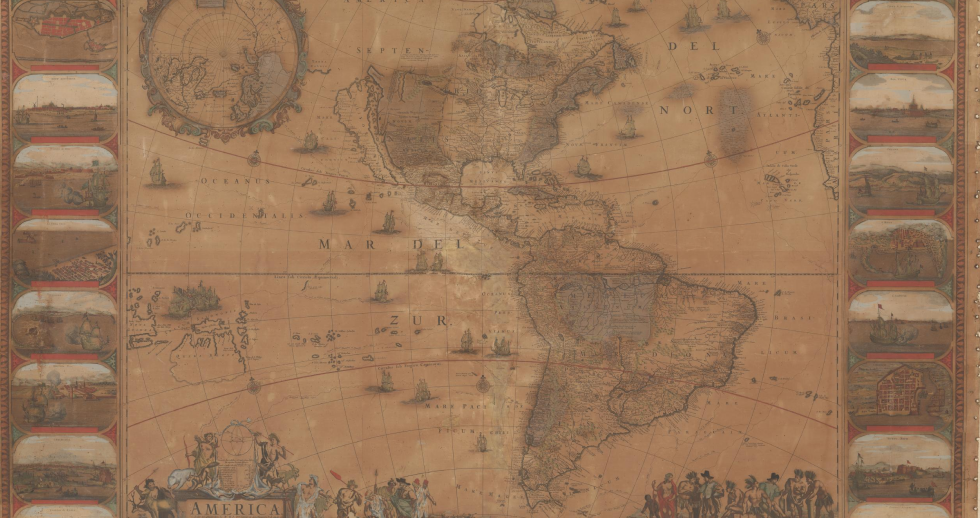
There was no place untouched by Indigenous slavery. Homelands and communities across the Western Hemisphere—Native and settler alike—bore its weight. Indigenous slavery impacted the entire Western Hemisphere, with forced migrations stretching across continents, binding the Americas into global systems of exploitation and exchange.
The imprints of Indigenous slavery remain etched in landscapes and architecture: people were captured, traded, transported, and enslaved, and some, once freed, built communities and homes of their own. Indigenous people were sold in market squares, confined in prisons, forced to labor in missions, haciendas, and factories, or bound within households in every community. In all these places, they lived, labored, and loved. As Māori scholar Linda Tuhiwai Smith reminds us, “In order to decolonize our histories, we must revisit site by site.”
The study of Indigenous slavery, once overlooked, has grown into a recognized field. This bibliography gathers nearly a century of scholarship across books, articles, dissertations, and digital media.