About
the Project
Native Bound Unbound centers the lives and histories of enslaved Indigenous people of the Americas. Our mission is to expand the understanding of slavery—where it took place, whom it impacted, when it occurred, and the meaning it continues to hold today. Guided by shared values and grounded in careful research, ethical methods, and community collaboration, this work brings together teams and partners across the Americas and beyond.
Native Bound Unbound was born from ancestral memory, story sharing, and the deep listening of our founder leaning into his grandmothers—an experience shared by millions across the Americas.
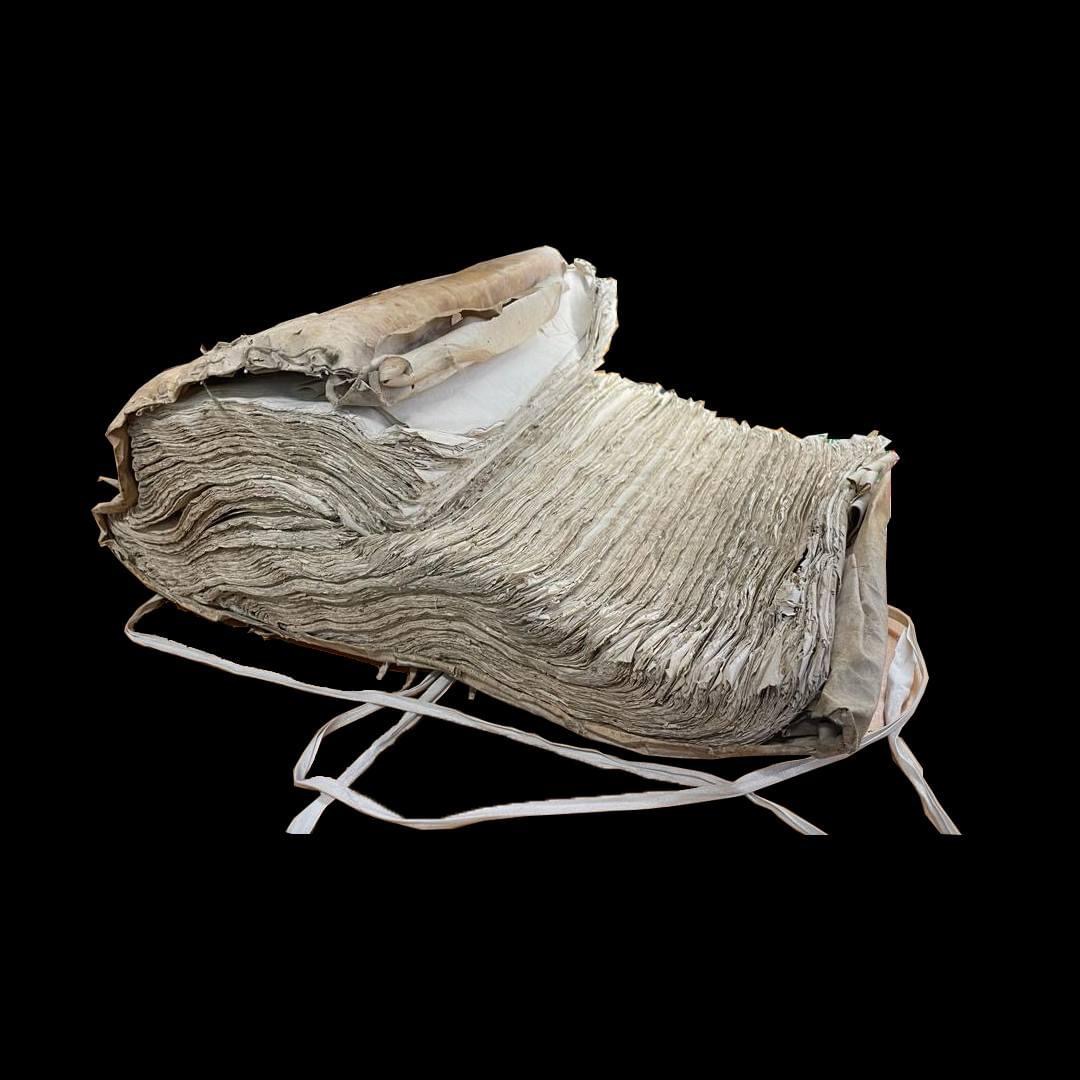
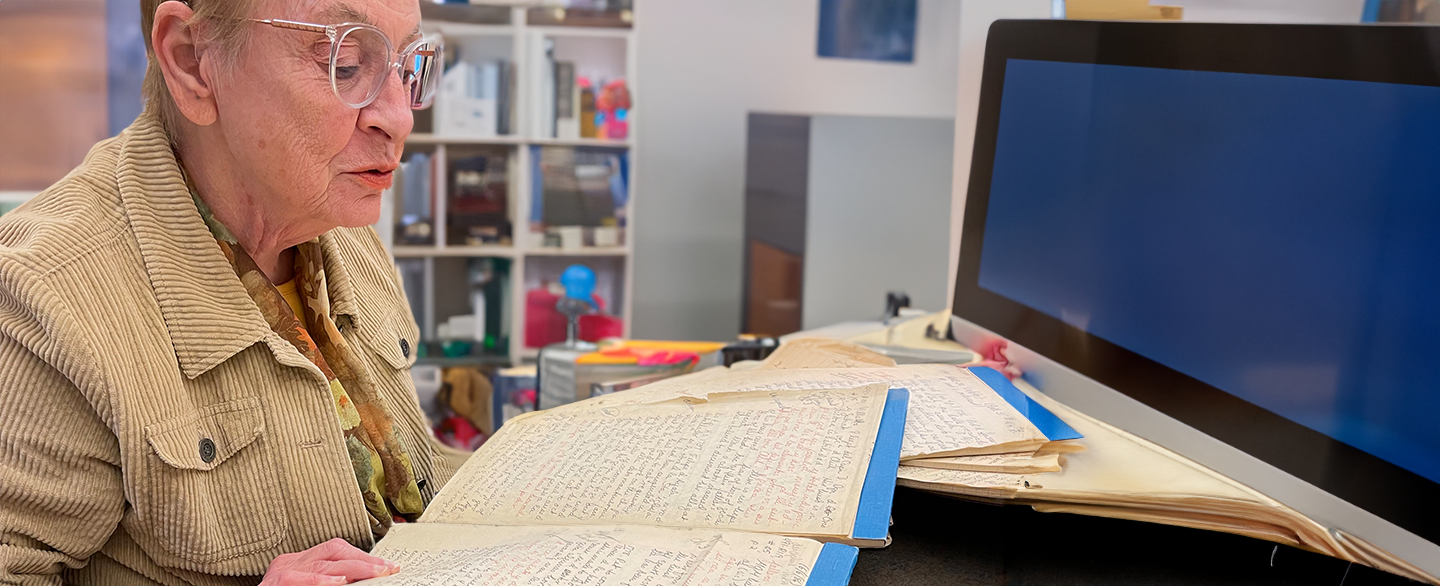
The project brings together records reflecting experiences of Indigenous captivity and slavery that are scattered across the globe: legal cases, censuses, letters, wills, newspapers, photographs, and church records such as baptisms, marriages, and burials. Museums hold art and artifacts that bear witness to these histories, while individuals and families safeguard documents and objects passed down through generations. The history of slavery is also inscribed in the land itself—in architecture, ruins, and sacred sites.
Together, these traces form an indelible record of people, places, and events. When connected, they shape an initiative unlike any other—one that deepens understanding of slavery: where it took place, when it occurred, and whom it impacted. Supported by the Mellon Foundation and built through collaboration with partners across the Americas and beyond, Native Bound Unbound is creating a digital repository and storytelling platform that restores these histories to visibility and connection.
Intended to advance scholarship, inspire new forms of creative expression, and provide context for reckoning and reimagining curriculum, memorials, preservation, and policy, Native Bound Unbound serves as a resource for educators, scholars, artists, storytellers, and descendant and Indigenous communities whose histories are central to this work. By recovering these stories and making them visible, we aim to illuminate the past and imagine more just futures.
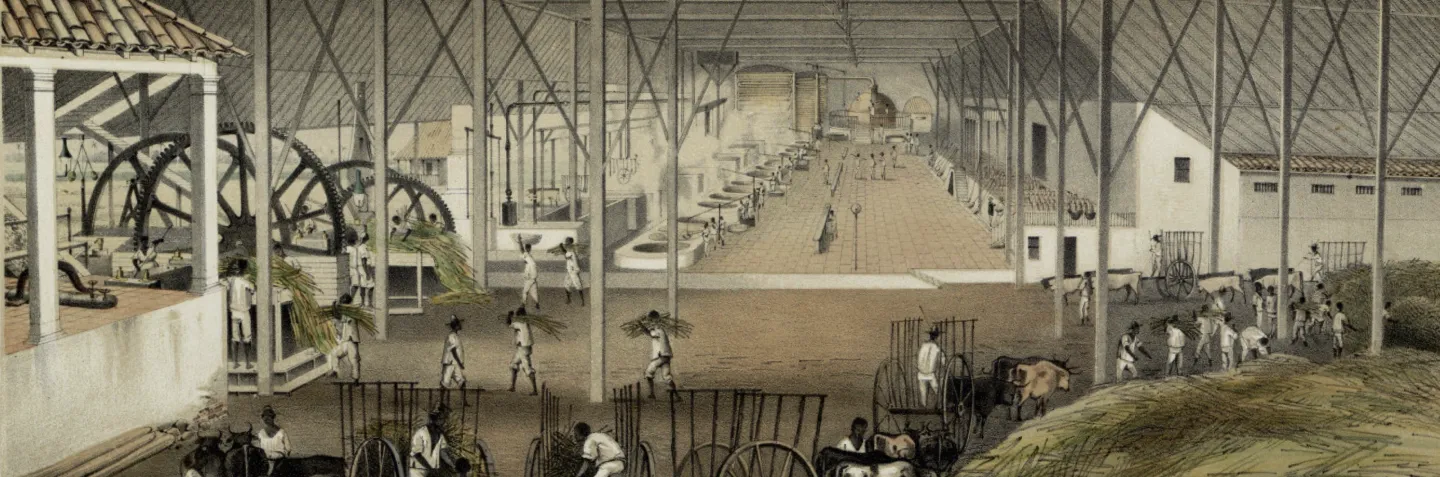
Name by name, story by story, we recover, remember, and restore
This is how we awaken a practice of recovering the history of Indigenous slavery.
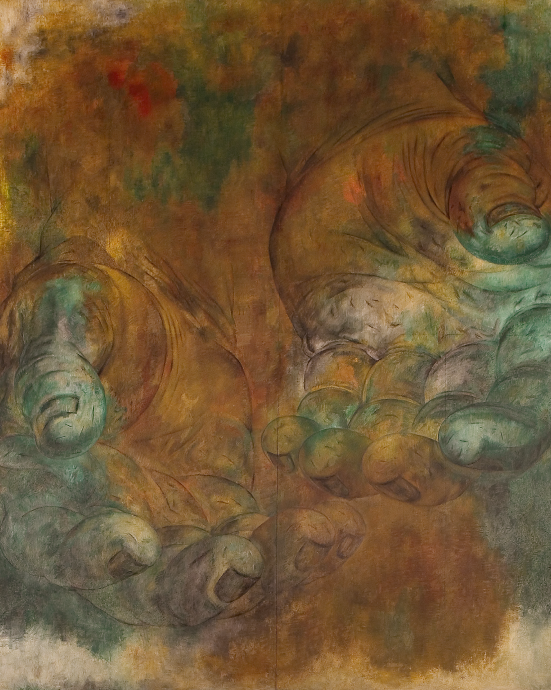
Native Bound Unbound begins with a simple yet profound question: what does it mean to awaken histories long silenced but still present in memory, record, and place? Our work emerges from that question and from the conviction that the history of Indigenous slavery must be studied not as a single event, but as an enduring system that shaped—and continues to shape—lives across the Americas.
We approach this work as both research and restoration. Each document, artifact, and testimony we encounter becomes part of a larger conversation about survival, kinship, and the persistence of Indigenous presence. Guided by decolonial and restorative principles, our process invites reflection, accountability, and care. As Māori scholar Linda Tuhiwai Smith reminds us, “In order to decolonize our histories, we must revisit site by site.” This ethos grounds our work—document by document, person by person, place by place.
Recovering these stories is especially vital for descendants, for whom this history has been carried across generations—sometimes whispered, sometimes unspoken, but always remembered. Through this collective effort, we seek not only to recover what was lost or taken, but to reimagine how such histories can be known, shared, and honored.
Our Approach: Methods and Practices
Every practice within Native Bound Unbound, from research to transcription, translation, and data integration, begins with a shared commitment to accuracy, accountability, and care. Our methods join the precision of archival scholarship with the responsibility of recovering histories shaped by violence, displacement, and survival.
This section introduces the principles that guide our work and the standards that sustain it. Together, they form a foundation for how we transcribe and translate documents, record names and places, trace dates, and collaborate with communities across the Americas.
Our guidelines have developed through collective reflection, comparison with other archival projects, and conversations rooted in community experience. They are rigorous yet open to change, built to hold both consistency and growth.
We share these methods to remain transparent about how we define and document slavery, determine relevance for inclusion, and ensure accuracy across languages and sources.
Our approach continues to evolve through discovery and dialogue—from local workshops to international collaborations. Each encounter deepens our understanding of how to see, interpret, and share the past.
This ongoing practice of recovery is not only about what we preserve, but about how we listen, learn, and act together.
Meet
the Team
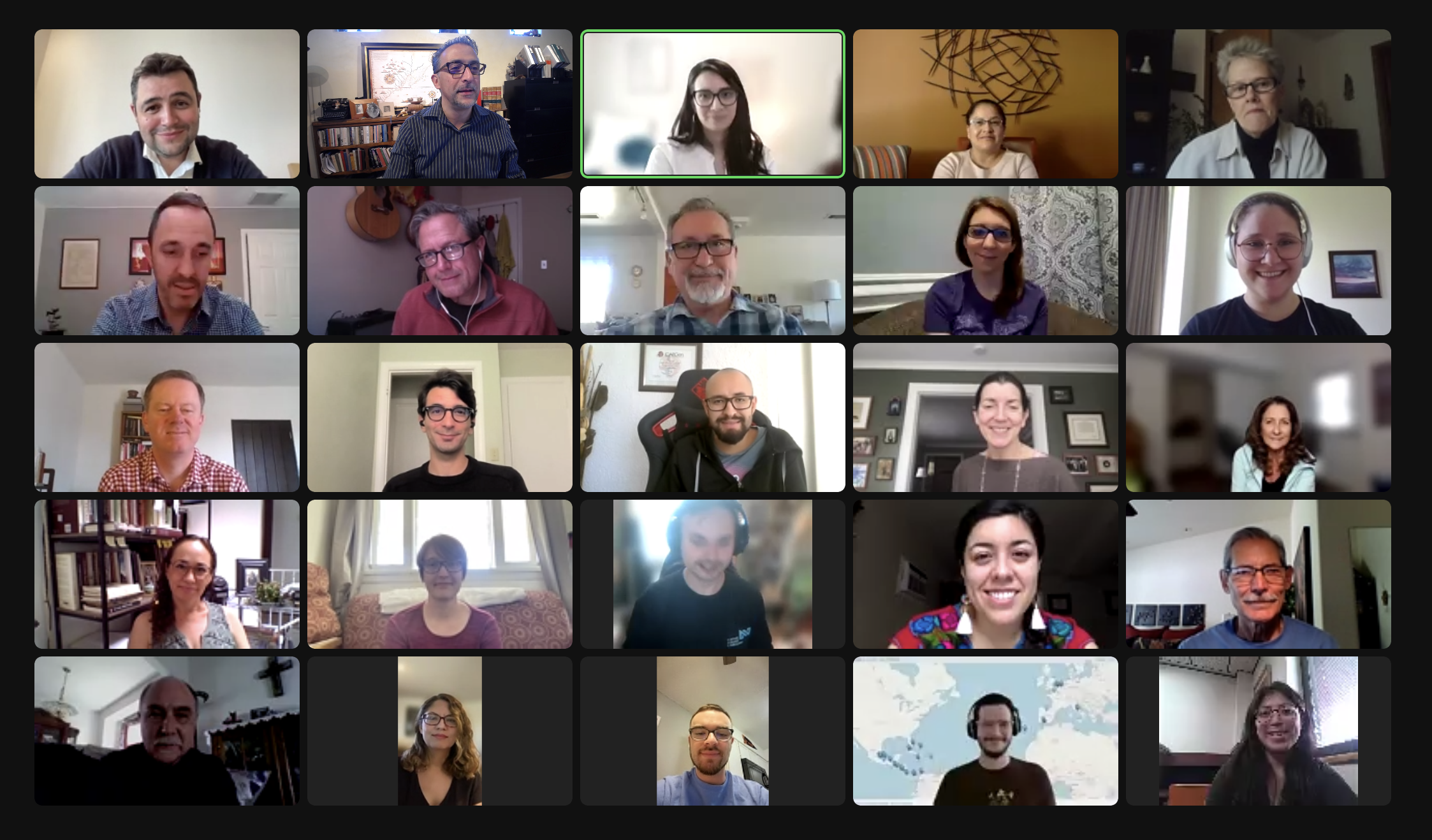
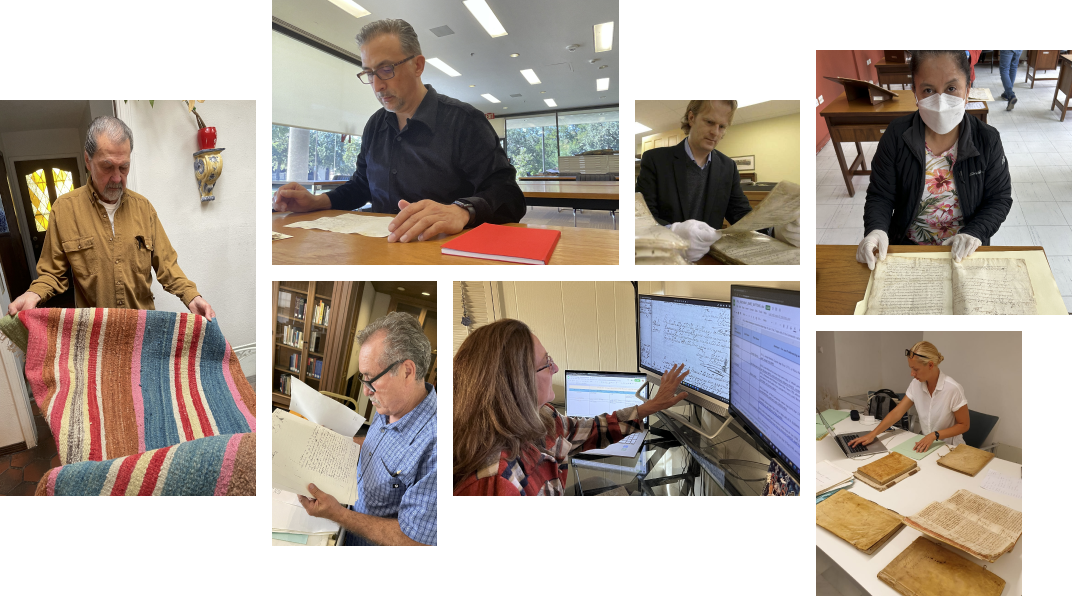
Native Bound Unbound has been created—and continues to evolve—through the work of an extraordinarily committed and skilled team. Our work spans six core areas:
- Administrative – advancing the project’s vision and strategy while coordinating operations, finances, and partnerships
- Technology – designing and developing the infrastructure and digital tools that power our database and public platformlocating, analyzing, and interpreting sources across geographies, languages, and time periods
- Research – identifying and analyzing sources across geographies, languages, and time periods
- Transcription – rendering handwritten and printed records into accurate, readable, and searchable formats
- Translation – interpreting multilingual records with cultural and linguistic nuance and care
- Engagement – building trust and reciprocity through deep collaboration with Native communities, descendants, artists, and scholars
- Communications – shaping the visual, narrative, and audiovisual storytelling that brings our work to wider publics
- Partners & Support – collaborating with institutions, funders, and organizations whose contributions sustain and amplify our work
Each member of our team brings deep expertise and a shared commitment to recovering, honoring, and illuminating the histories at the heart of this project. Our broader network of partners and supporters plays a vital role in helping us carry this work forward.
How to get involved
We invite you to join and support our mission.
Native Bound Unbound is a long-term collective effort—one that will continue unfolding as we recover, connect, and share histories across the Americas. Sustaining this work depends on many forms of collaboration and care: financial contributions, institutional partnerships, and the generosity of individuals and descendants who carry memory in their families and communities.
We welcome those who wish to participate by joining our team, volunteering, or sharing stories, documents, and artifacts entrusted across generations. Each contribution helps expand the record and deepen understanding of these intertwined histories.